A Strategy for Shared Objectives – LRF
LRF’s biggest challenge was aligning around a few key strategic objectives while maintaining strong local decision-making in each region. Here’s how they built a smarter way of working — and what happened next.
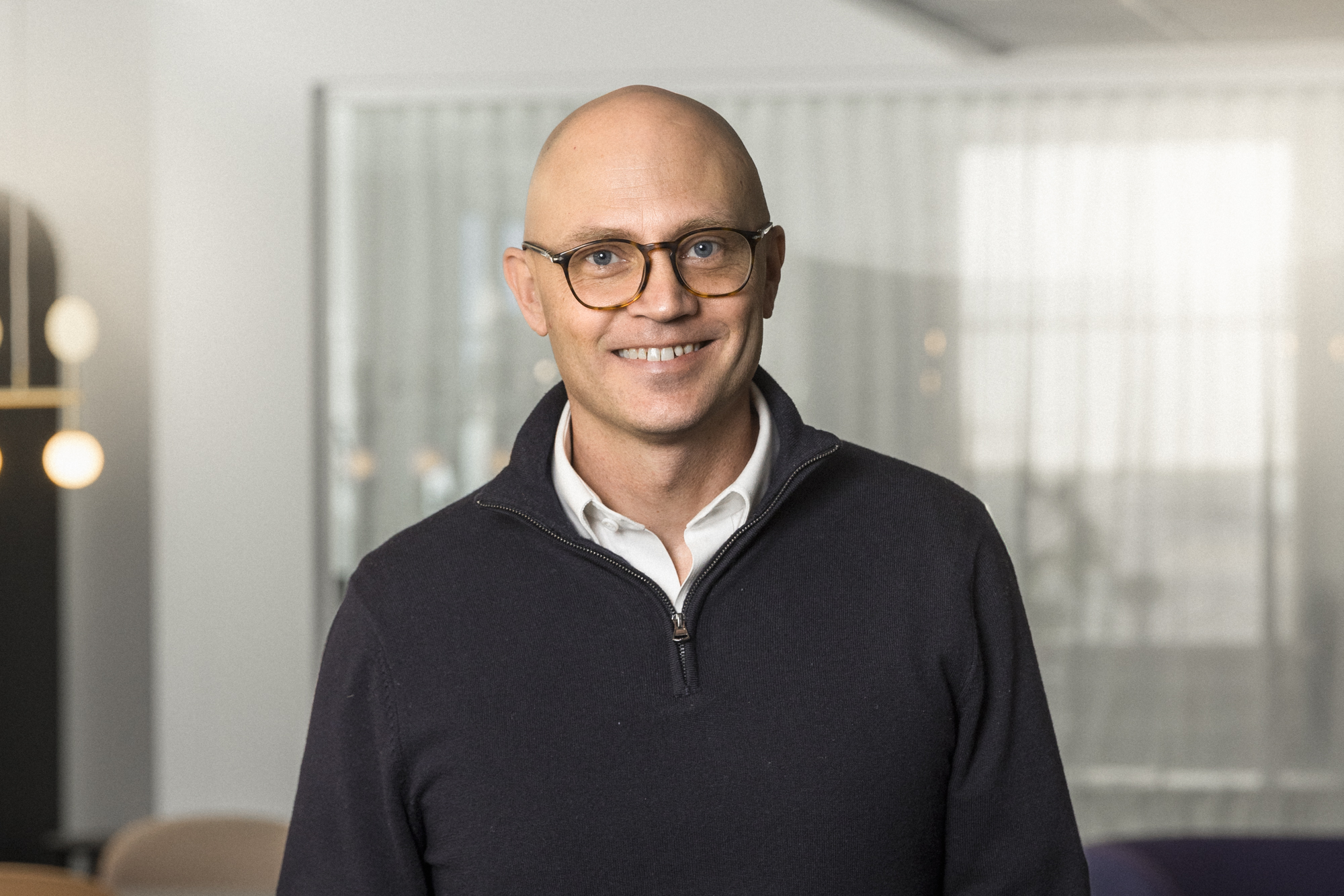
We’ve improved the way we work together, finding areas where joint efforts are needed. Simply, we discuss and focus on the right things.
Susanne Nilsson, Head of Corporate Finance
Lantbrukarnas Riksforbund

The Challenge
Bringing Direction and Ownership Together
Lantbrukarnas Riksförbund (LRF) is a member-driven organization supporting the development of Sweden’s green industries, with around 140,000 members nationwide. Their challenge was twofold: they needed a structured way to steer and follow up on progress, while allowing each region to maintain its autonomy.
The key question: How can we align the entire organization around a few shared strategic objectives for 2030 — without losing local ownership and flexibility?
Since 2018, LRF has worked with The Information Company to strengthen its performance management strategy.
The starting point was translating the long-term strategic objectives into concrete, actionable focus for each part of the organization — nationally and locally. The three-year plan was broken down year by year, with one clearly defined key outcome selected annually, supported by three concrete focus areas.
Each business unit and region was then empowered to define how they would contribute, based on their specific structure and needs.
Follow-up was built around two core forums:
Collaboration Forum — for sharing progress, insights, and best practices from one of the three focus areas
Decision Forum — for making clear, data-driven decisions on next steps
To support internal capacity building, every member of the Corporate Finance team received training in performance management and analytical methods — to better guide and support the broader organization.

The Solution
Collaborative Performance Management

The Results
A Shared Understanding
Employees now have a much clearer understanding of how their work connects to LRF’s 2030 objectives.
After the 2019 planning cycle, 228 out of 258 employees reported that they could clearly see how their daily work contributed to the shared objective.
The structured follow-up forums also created real value. They improved collaboration across units and regions, enabled smarter decision-making, and helped translate insight into concrete action.
By balancing local flexibility with shared national direction — and by building engagement and learning into the process — LRF exceeded target levels in two out of three focus areas that year.
More case stories

Jusek aligned the whole organization around what mattered most — and hit 103% of their top objectives.
Read more
Before working with us, they lacked clear short-term objectives and focus. Now, strategy is part of the daily work — for everyone.
Read more
In 2019, Blocket had a bold new 3-year strategy — but no clear way to turn it into daily action. With performance management, they made it happen.
Read moreWant to Achieve Similar Results?
Get in touch with one of our performance management experts — we’re here to help.